

How do you make tens of thousands of fans feel personally welcomed, guided, and engaged in real time?
That is the question explored in the NVIDIA AI Podcast, where Jia Li, Co-Founder, President, and Chief AI Officer of LiveX AI, shares how human-like AI holograms are bridging the digital and physical worlds.
From greeting travelers at airports to guiding fans through Super Bowl fan zones, LiveX AI is deploying full-scale, real-time digital humans that look, sound, and respond like people.

Super Bowl week: AI at real-world scale
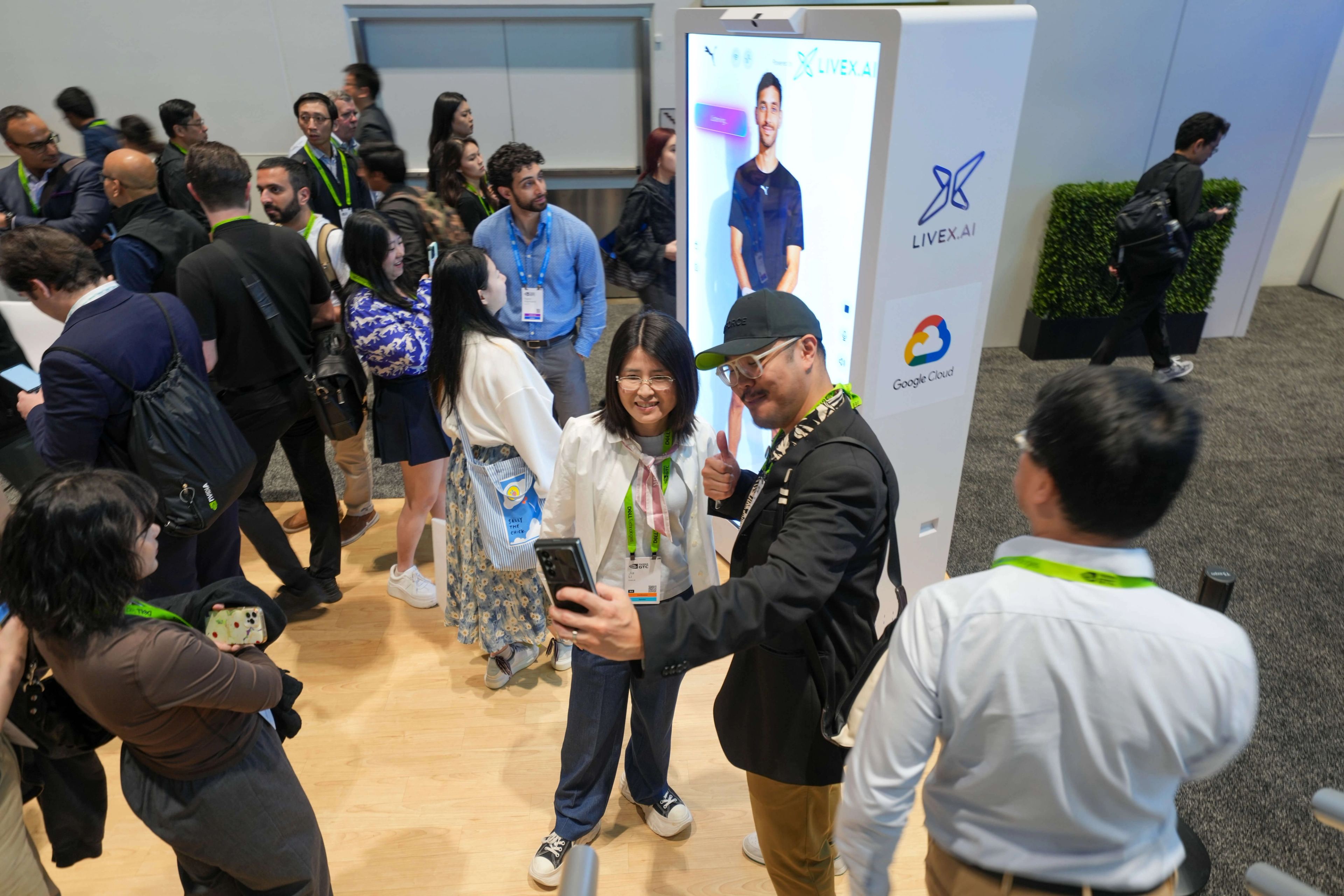
During Super Bowl week, LiveX AI powered interactive holograms across airports, fan zones, and event venues in partnership with the National Football League.
The results:
- 30,000+ fans engaged in under 40 hours
- Continuous real-time conversations and on-site photo experiences
- 4.75 / 5 CSAT, delivering genuine moments of delight at massive scale
The activation drew participation and support from leaders and public figures including Christian McCaffrey, Olivia Culpo, Matt Mahan, Jonathan Becher, and Zaileen Janmohamed.
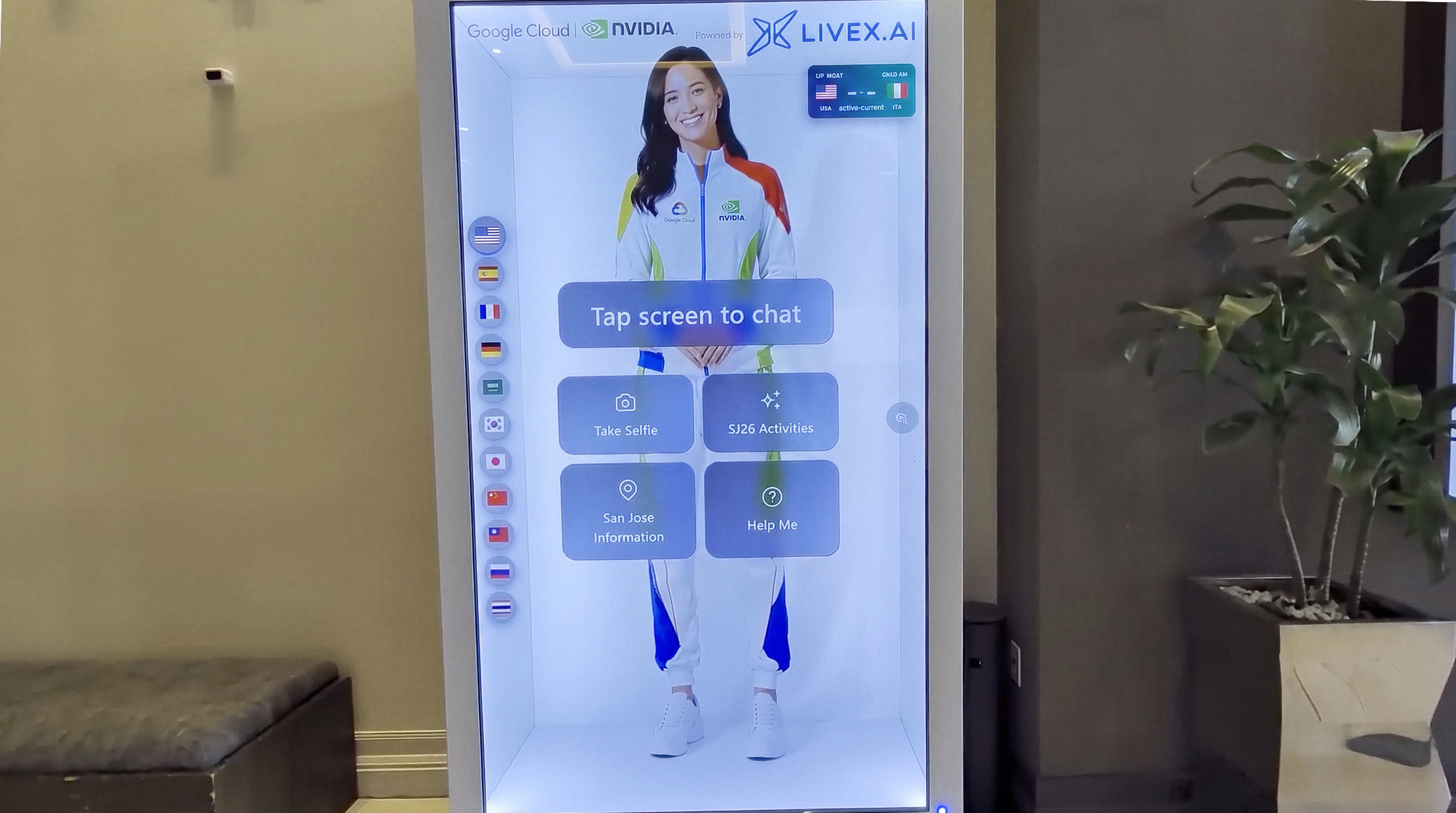
Fans used the holograms for wayfinding, event information, transportation guidance, safety updates, and immersive interactions. These were not static displays or chatbots. They were living digital concierges operating continuously in crowded, bandwidth-constrained environments.
Why holograms instead of chatbots
Most AI today lives behind keyboards and phones. LiveX AI focuses on the 80% of experiences that still happen in person.
Their approach centers on full-size holographic agents that:
- Speak naturally
- Maintain presence and eye contact
- Answer questions in real time
- Guide people through physical spaces
- Personalize interactions on the spot
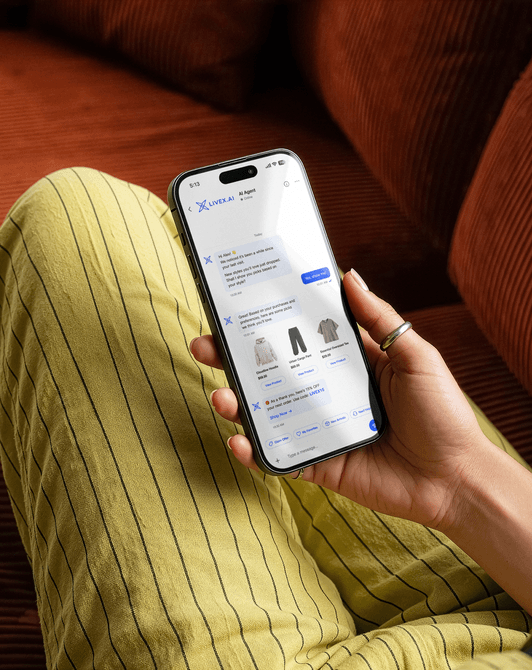
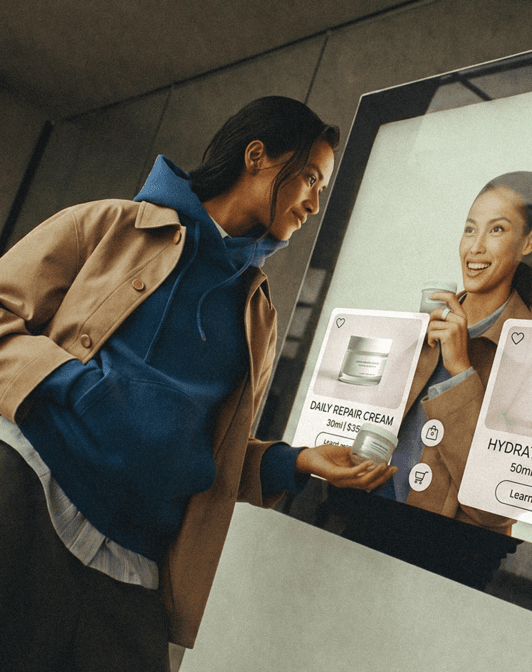
In retail, these agents can recommend products, check inventory, and assist with ordering. At large events, they become intelligent guides. For brands, they offer a consistent, always-on frontline experience.
This is about bringing the convenience and intelligence of digital interfaces into the real world.
Powered by NVIDIA, built for scale
Delivering human-like AI in packed venues requires more than good models. It demands production-grade infrastructure.
LiveX AI works closely with NVIDIA, using technologies like NIM microservices, Triton, TensorRT, and NeMo-based systems to run complex agents efficiently on-prem.
This allows LiveX AI to:
- Operate in environments with limited connectivity
- Maintain low-latency conversations with large crowds
- Scale across dozens of simultaneous activations
- Deliver smooth, real-time interactions
The collaboration with NVIDIA (and Google Cloud) has driven major gains in token speed and responsiveness, making these deployments practical at stadium scale.
NVIDIA also highlighted LiveX AI in its newsroom coverage of the Super Bowl activation, alongside broader industry milestones such as its partnership with Dassault Systèmes on world-model blueprints.
What comes next
Sports and retail are just the beginning.
LiveX AI envisions human-like agents becoming standard across travel, hospitality, healthcare, and public spaces, anywhere there is a screen or interactive surface. These agents will provide guidance, companionship, and personalized support, transforming how people access information and services in everyday life.
As Jia Li shared on the podcast, the goal is simple but ambitious: make AI feel present, helpful, and human.
Over the next five to ten years, holographic AI is poised to move from novelty to infrastructure.
And LiveX AI is building that future now.